Polymeric HPLC Columns
What Are Polymeric HPLC Columns?
Polymeric HPLC columns are chromatography columns packed with stationary phases made from polymer materials such as polystyrene-divinylbenzene (PS-DVB) or polymethacrylate. These polymers offer exceptional chemical and mechanical stability, allowing the columns to withstand a wide pH range (0–14) and harsh solvent conditions. Unlike silica-based columns, polymeric columns do not readily hydrolyze under extreme acidic or alkaline environments, making them ideal for challenging separations. They are widely used for analyzing organic acids, carbohydrates, and polymers due to their unique selectivity and durability. The highly cross-linked polymer matrix provides a rigid, reproducible platform for diverse applications including reversed-phase, ion exchange, and size exclusion chromatography.
At Phenomenex, we offer a diverse range of polymeric HPLC columns designed to meet the needs of scientists and researchers. Our columns deliver exceptional performance and ensure optimal separations.
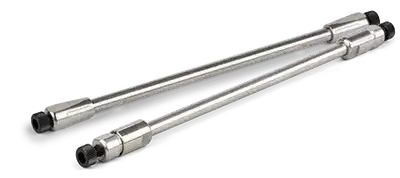
Polymeric vs. Silica HPLC Columns: Key Differences and Applications
When it comes to high-performance liquid chromatography (HPLC) columns, two popular options are polymeric and silica columns.
Understanding the differences between polymeric HPLC columns and traditional silica columns helps researchers choose the right tool for their application.
While polymer vs. silica HPLC comparisons show silica columns excel in traditional reversed-phase separations, polymeric options dominate in challenging pH conditions, sugar analysis, and polymer separations.
Advantages of Polymeric Columns
Polymeric columns offer distinct benefits over traditional silica-based columns, making them highly valuable in diverse chromatographic applications. Key advantages include:
- Wide pH Tolerance (0–14)
Polymeric columns withstand extreme acidic to basic conditions, enabling the analysis of challenging samples and aggressive cleaning protocols without column degradation. - High Durability
Compared to silica, polymer columns resist chemical attack, hydrolysis, and mechanical wear, resulting in longer column lifetimes and reduced replacement costs. - Unique Selectivity
Their specialized polymeric stationary phases exhibit excellent selectivity for carbohydrates, organic acids, and polymers, allowing effective separation of compounds difficult to resolve with silica columns. - Reproducibility and Longevity Under Aggressive Solvents
Polymeric columns maintain consistent performance even with prolonged exposure to harsh solvents and cleaning agents, supporting reproducible results over extended use. - Resistance to Swelling and Shrinking
High cross-linking density in polymer matrices minimizes swelling in organic solvents, ensuring stable backpressure and robust chromatographic behavior.
These attributes make polymer columns an excellent choice for complex samples and demanding analytical workflows, providing reliable, versatile, and cost-effective chromatography solutions.
Applications of Polymeric Columns
Phenomenex polymeric columns support a wide range of separation techniques:
- Reversed-Phase Chromatography (RPC): For nonpolar analytes under harsh mobile phase conditions.
- Gel Permeation Chromatography (GPC): For polymer molecular weight distribution.
- Ion-Exchange Chromatography (IEC): For charged biomolecules, amino acids, and organic acids.
- Size-Exclusion Chromatography (SEC): For biomolecules, oligomers, and large polymers.
While polymeric HPLC columns are rarely used in normal phase vs. reversed phase comparisons, they provide a valuable alternative to silica columns when extreme pH stability and durability are required.
How to Choose the Right Polymeric HPLC Column
Selecting an appropriate polymeric HPLC column is crucial for obtaining reliable and reproducible analytical results. Polymeric columns provide several advantages over traditional silica columns, including enhanced chemical stability, a broader usable pH range, and longer lifetimes. Use the following expert-driven steps to make the optimal choice:
Define Application and Stationary Phase
Start by considering the application and matching column chemistry to analyte properties:
- For reversed-phase separations, select hydrophobic polymer columns.
- For gel permeation chromatography (GPC), use columns designed for polymer molecular weight analysis.
- For ion-exchange chromatography (IEC), opt for columns focused on charged biomolecules.
- Select hydrophilic phases for polar compounds and hydrophobic phases for nonpolar analytes—this ensures the right separation mechanism for the sample.
Select Particle Size
Particle size greatly impacts separation efficiency and system pressure:
- Smaller particles (e.g., 3–5 μm) offer high resolution and sharper peaks, but substantially increase backpressure.
- Larger particles are suited for routine or high-throughput analysis, thanks to lower pressure requirements.
Choose Column Dimensions
Column length and internal diameter influence the efficiency and speed of the separation:
- Longer columns increase resolution but also extend analysis time.
- Shorter columns allow faster analysis, with modest reduction in resolving power.
- Adjust internal diameter to control flow rate and accommodate sample load as per analytical requirements.
Maintenance Tips
Proper care maximizes column longevity:
- Regularly flush the column with suitable solvents tailored to the application.
- Optimize mobile phase composition for each analysis.
- Store columns in a recommended solvent system when not in use to preserve performance and avoid degradation.
Tips for Optimizing Separations:
Proper handling maximizes performance and longevity:
- Equilibrate before analysis for reproducibility.
- Match mobile phase composition, pH, and temperature to analyte chemistry.
- Flush regularly with appropriate solvents.
- Store in recommended solvents when not in use.
Phenomenex Polymeric HPLC Columns
Phenomenex offers a diverse portfolio of polymeric HPLC columns tailored for specific applications.
At Phenomenex, we offer a range of polymeric HPLC columns designed to meet your specific analytical needs. Our expert team can provide guidance and support in selecting the right column for your applications. Contact us today to learn more about our polymeric HPLC column options
FAQs
Can polymeric columns be used for reversed-phase HPLC?
Yes. Certain polymeric HPLC columns, such as those based on polystyrene-divinylbenzene (PS-DVB) or polymethacrylate, are specifically designed for reversed-phase separations. They are particularly useful under extreme pH (up to 14) or high-temperature conditions where traditional silica columns may fail. These columns provide comparable or even unique selectivity compared to silica C18 phases, especially for challenging analytes.
Which industries benefit from polymer HPLC columns?
Industries such as pharmaceuticals, food and beverage, environmental testing, and polymer research rely heavily on polymer HPLC columns for reliable performance in challenging analyses. Their chemical stability, durability, and broad pH tolerance enable reliable performance in complex and harsh sample matrices frequent in these industries.
How do you store polymeric HPLC columns when not in use?
Store polymeric columns by flushing thoroughly with appropriate solvents (often containing buffers or organic modifiers suited to the column) after use. Then cap the column tightly to prevent drying and contamination. Proper storage preserves column integrity and extends lifetime.
Are polymeric columns suitable for high-temperature applications?
Yes. Many polymeric HPLC columns are stable and perform reliably at elevated temperatures, making them suitable for methods that require heat-resistant chromatographic materials.