Verex Certified Vial Products

Chromatography Vials, Inserts, and Caps for UHPLC / HPLC / GC / SFC and MS Analysis
Verex HPLC, GC, and autosampler vials offer the lowest ion content possible to reduce sample loss and contamination. From start to finish, Verex HPLC, GC, and autosampler vial and cap products are manufactured to provide high quality, state-of-the-art solutions for your most challenging, sensitive applications. None of the GC/MS or HPLC vials areis placed in the inventory without passing cleanliness and performance testing for consistency resulting in a certified, 100 % defect-free vial that you can trust.
Try Verex Vials in one of the following configurations:
- Specialty Vials
- Crimp-Top Vials
- Screw-Top Vials
- Snap-Top Vials
- VOA/ASE Assembled Vial Kits
- VOA/ASE Assembled Storage Kits
Order
Product Finder
Explore the Best Phases for Your Separation Needs
Overview
Vials
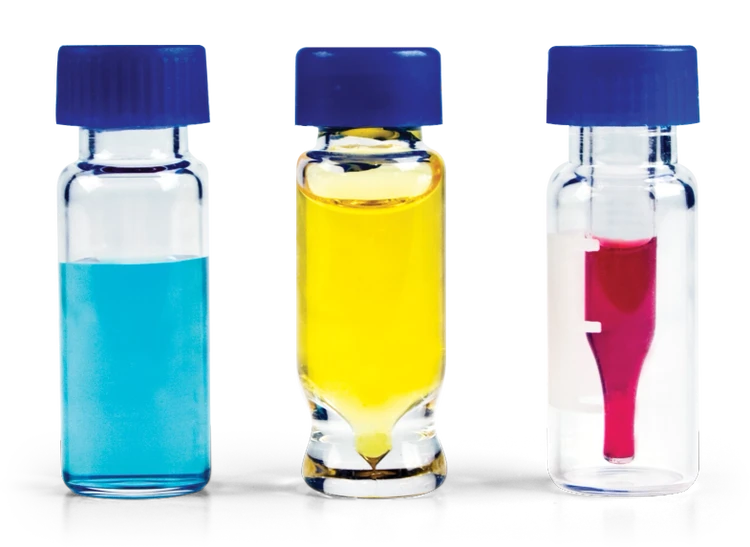
Verex vials are made of inert, high-purity, chemically stable borosilicate glass to exacting specifications, individually heat-treated to burn off any impurities, then packaged in a cleanroom environment. Choose from crimp, snap, and screw types or mix and match vials and caps to your application.
Vial Compatibility
Three Level Certification
Ultra Clean
Specially designed and treated for mass spectrometry (MS) applications.
Low Bleed
Special cap / closure processing, treating, and testing for low bleed of residual organics. For high sensitivity GC-MS and LC-MS applications.
Dimensionally Verified
Machine vision cameras and gauges inspect critical dimensions and tolerances to produce uniform, defect-free products.
Lot Traceable
Vial and cap packs are 100 % traceable through the manufacturing process. Certificate of Conformance available by lot number upon request.
Clean Room Packaged
Ensures particulate- and contaminate-free products for clean chromatography.
Certificate of
Conformance Included; Extension-M
How to Choose the Right Chromatography Vial
Selecting the appropriate chromatography vial is essential for ensuring accurate and efficient analytical results. Here are the key factors to consider:
1. Vial Closure Style
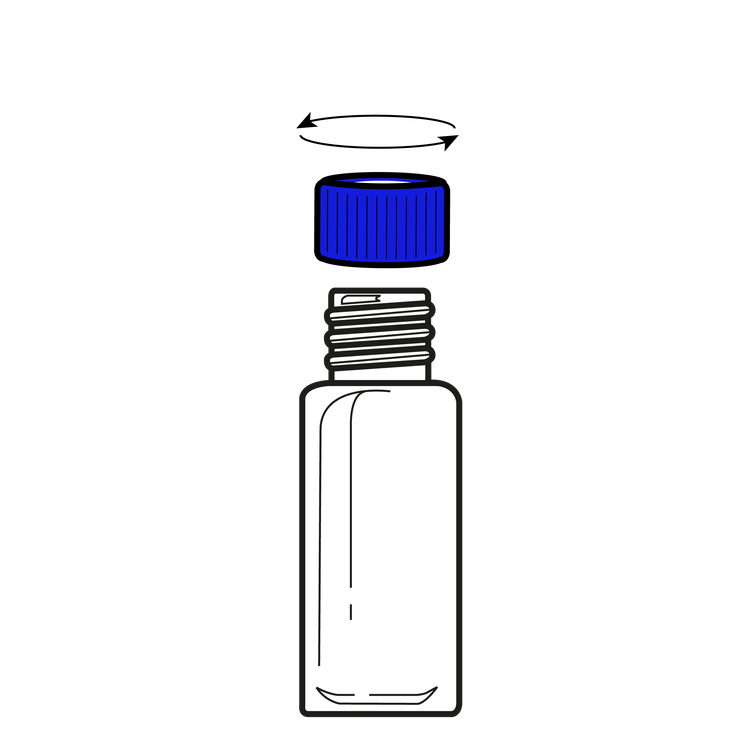
- Screw Thread Vials: Ideal for HPLC and LCMS analyses due to their ease of use and compatibility with autosamplers. They are commonly used for storing standards and are preferred when frequent opening and closing are required.
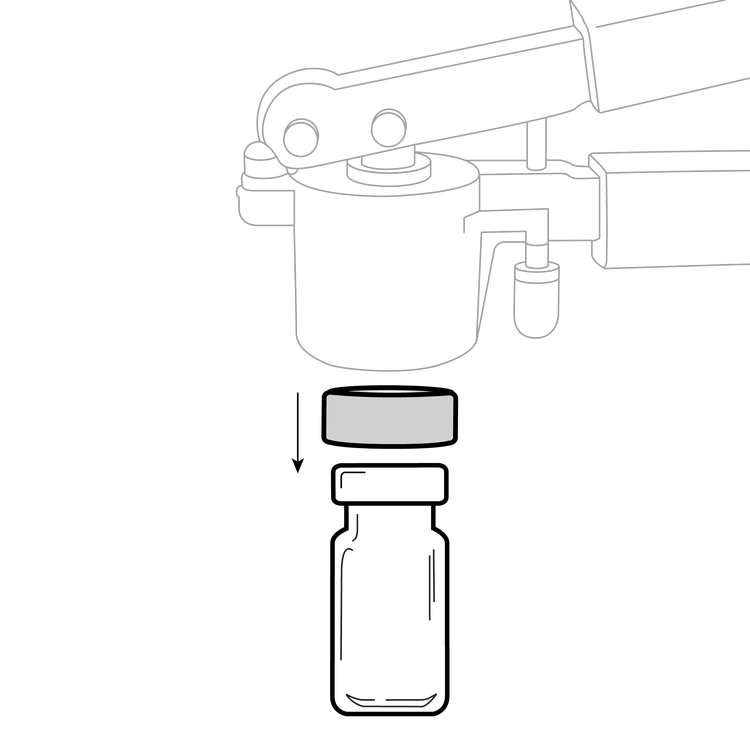
- Crimp Vials: Best for gas chromatography (GC) applications, especially when sample evaporation or tamper-proof closures are concerns. They provide a secure seal but require a crimper tool for closure.
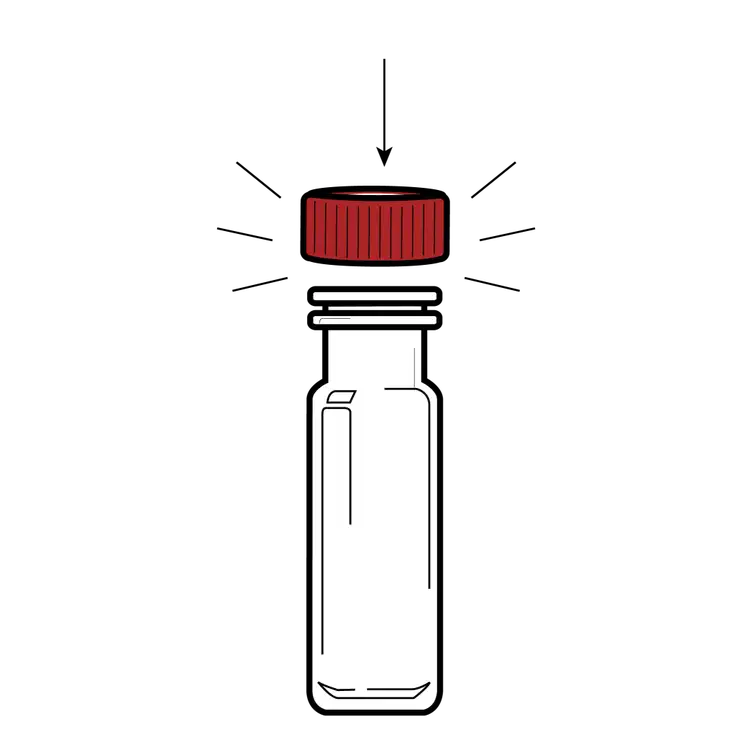
- Snap Top Vials: Convenient for lab technicians, these vials are suitable for HPLC and LCMS analyses. The closure is pressed down to create a seal, offering ease of handling.
2. Vial Size and Volume
- 2mL Autosampler Vials: Most commonly used for standard applications.
- Micro Inserts: Useful for limited sample volumes, available in tapered or flat-bottom designs to optimize sample recovery.
- High-Recovery Vials: Suitable for re-injections when large sample volumes are needed.
3. Material
- Glass Vials: Type 1 borosilicate glass is preferred due to its inert properties, minimal pH shift, and resistance to leaching. Verex clear glass vials are made from 33-expansion Type 1 borosilicate glass (USP Type I, Class A), offering excellent chemical resistance and clarity for visible sample monitoring. Amber glass vials, made from 51A Type 1 borosilicate glass, are recommended for protecting light-sensitive samples.
- Plastic Vials: Polypropylene (PP) vials are economical and compatible with certain solvents but unsuitable for others. PP vials are recommended for specialty applications such as PFAs analysis
- Specialized cap materials like polyethylene (PE) and TPX polymethylpentene offer unique properties such as chemical resistance and transparency. Additionally, septa are available in various materials—including PTFE, silicone, and rubber—to suit different analytical requirements and ensure chemical compatibility.
4. Compatibility
- By verifying the vial size, cap type (screw, snap or crimp) and required septa configuration (standard or pre-slit), this ensures the vial matches the specific autosampler model used in your laboratory.
- By carefully evaluating these factors based on your specific application requirements, you can select the most suitable chromatography vial to optimize your workflow and analytical results.
- Start strong with Verex vials for reliable performance, reproducibility, and accuracy. Experience first-class quality from purchase to results.