Gas Chromatography
Gas chromatography is a core analytical technique for fast, high‑sensitivity separation and quantification of volatile and semi‑volatile compounds. At Phenomenex, GC solutions streamline method setup and product selection by bringing together Zebron™ GC columns, essential GC supplies, and application‑driven technical support in one place.
With a broad portfolio spanning stationary‑phase chemistries, polarity ranges, and temperature ratings, Phenomenex supports reliable results across environmental testing, food and flavor, forensics, pharmaceuticals, petrochemicals, and specialty chemical applications.
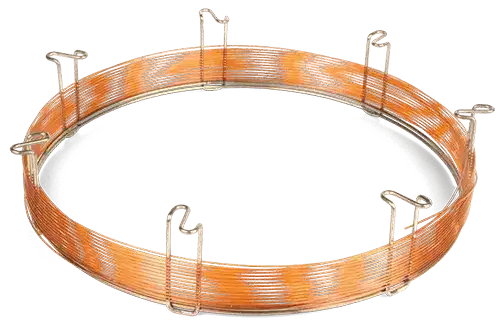
Zebron GC Column Options
Application-Specific
- Optimized stationary phases are selected for targeted polarity and selectivity needs.
- Enhanced inertness and low-bleed performance for demanding methods and trace-level analysis.
- Designed for method-specific temperature requirements and reproducible retention.
- Zebron GC columns are commonly used for environmental testing, food & flavor, forensic analysis, pharmaceutical applications, and specialty chemicals.
High-Temperature
- Designed for non-polar to mid-polar separations requiring elevated oven temperatures.
- Withstands up to 400 °C isothermal and up to 430 °C programmed temperature; always verify the specific column temperature limits.
- Rugged construction maintains inertness and low bleed under thermal stress when the column is correctly conditioned and protected from oxygen/moisture ingress.
- Well-suited for petrochemical analysis, fuels, and specialty chemical applications.
Enhanced Performance
- Broad polarity coverage with optimized phase chemistry for improved separation efficiency.
- High inertness reduces adsorption and improves peak shape consistency.
- Low-bleed design supports clean baselines and improved sensitivity.
- Applied across environmental monitoring, food safety, forensics, and pharmaceutical analysis.
Standard Use
- Full polarity range from non-polar to highly polar for routine GC methods.
- Compatible with standard temperature programs and everyday operating conditions.
- Reliable inertness and stable bleed performance for consistent results.
- Used widely in food & flavor, environmental screening, quality control, and general-purpose chemical analysis.
Complete Gas Chromatography Supplies & Equipment
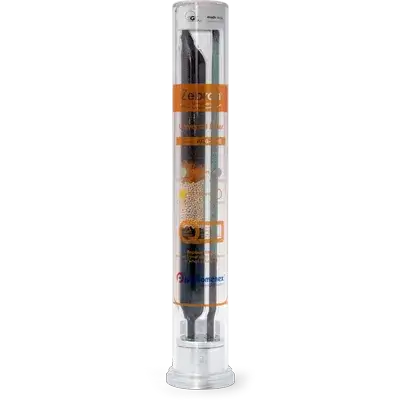
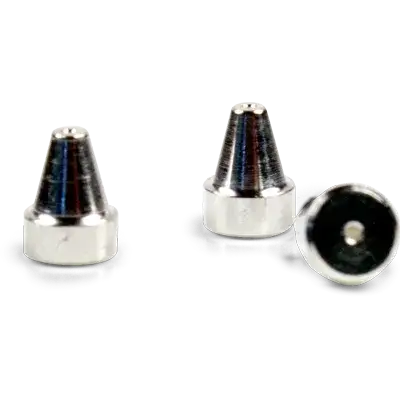
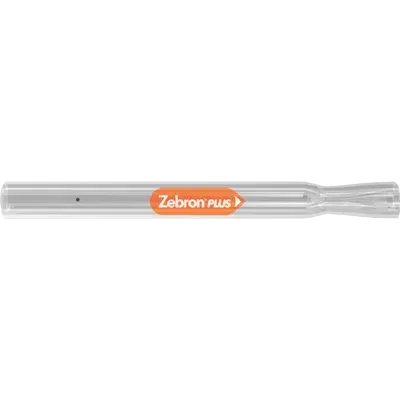
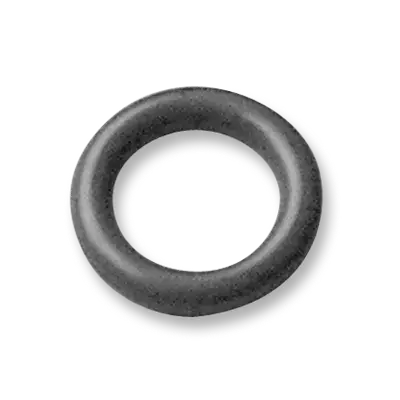
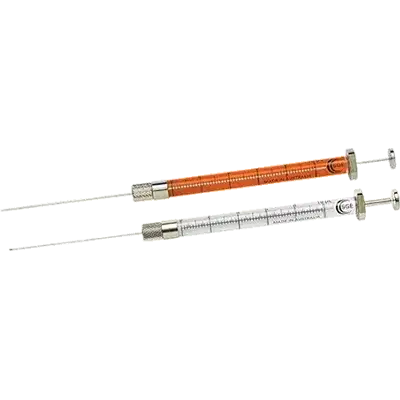
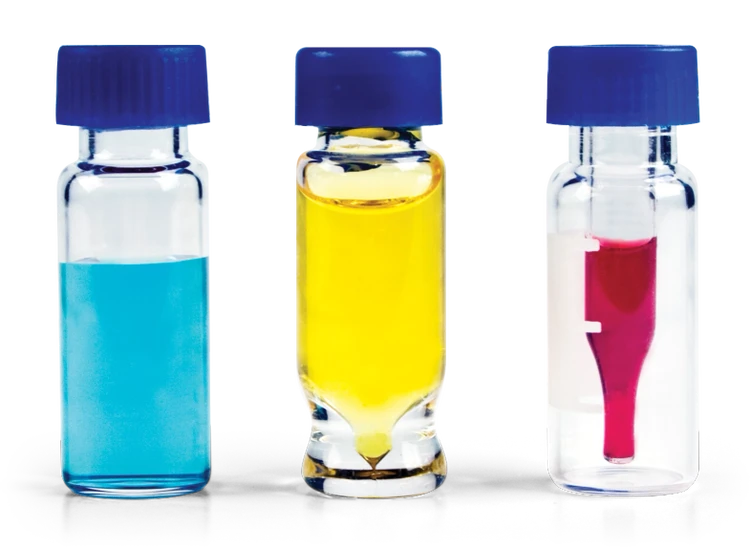
Reliable gas chromatography depends not only on the column but also on high-quality gas chromatography supplies and equipment. Phenomenex offers a complete range of GC consumables designed to protect samples, columns, and systems. These include inlet liners optimized for high inertness and efficient vaporization, high-purity low‑bleed septa that support leak‑tight injections when installed correctly and replaced routinely, and ferrules and nuts that ensure consistent and inert connections.
Gas filters, purifiers, and gas management tools help remove moisture, oxygen, and hydrocarbons that can degrade column performance and shorten column life. Install oxygen, moisture, and hydrocarbon traps as close to the instrument as possible and replace them per indicator/schedule to maintain sub‑ppm impurity levels and stable baselines.
Together, these gas chromatography supplies support stable baselines, reduced contamination, and improved method reproducibility across routine and regulated GC workflows.


Why Choose Phenomenex for Gas Chromatography?
Phenomenex gas chromatography products are designed to support demanding analytical applications where performance, reliability, and consistency matter most. Across environmental testing, food and flavor analysis, forensics, pharmaceuticals, petrochemicals, and specialty chemicals, Zebron GC columns deliver validated performance backed by robust manufacturing quality.
Wide polarity coverage enables precise method tuning, while low bleed characteristics contribute to cleaner baselines and improved sensitivity for trace-level detection. High inertness reduces active sites, supporting reproducible retention and peak shape across complex matrices; coupled with appropriate gas purification and inlet maintenance, this also supports cleaner baselines and longer maintenance intervals. All these technical strengths translate into longer column lifetime, reduced re-runs, and greater confidence in results.
Need Help Choosing the Right GC Column?
Selecting the right GC column can significantly impact your separation quality, sensitivity, and method robustness. Phenomenex technical specialists support column selection based on polarity and stationary phase chemistry, column dimensions, temperature limits, bleed requirements, and application fit. Assistance also includes GC method troubleshooting, such as addressing peak tailing, co-elution, bleed, and carryover.
Support is focused on gas chromatography supplies and column performance rather than instrument hardware; ensuring guidance remains practical, application-driven, and directly relevant to analytical outcomes.
Frequently Asked Questions (FAQs) on Gas Chromatography
Which GC supplies and accessories improve performance and column lifetime?
High-quality inlet liners, low-bleed septa, properly fitted ferrules, and effective gas filters help reduce contamination and protect columns. Gas purifiers that remove oxygen, moisture, and hydrocarbons are especially important for maintaining low bleed and extending column life.
How do I choose a GC column (polarity, dimensions, temperature limits, bleed, application fit)?
Column selection depends on analyte chemistry and separation goals. Polarity and stationary phase determine selectivity, while column length, internal diameter, and film thickness affect resolution and analysis time. Temperature limits and bleed characteristics should match the application, particularly for trace-level or high-temperature analyses.
How do I reduce bleed and carryover?
Using low-bleed columns, maintaining clean carrier gas with appropriate filters, conditioning columns correctly, and selecting inert consumables all help minimize bleed and carryover. Proper inlet configuration and routine maintenance are also critical.
How do I condition a new GC column?
After installing the column in the inlet and establishing carrier‑gas flow, allow sufficient time to purge oxygen from the system; for sensitive detectors such as MS or ECD, perform conditioning before connecting the column to the detector to avoid contamination. Raise the oven to the maximum isothermal operating temperature listed on the column’s Test Report and hold until the baseline stabilizes (thicker films take longer; overnight conditioning at the max isothermal temperature is acceptable to minimize downtime). Cool to ambient, connect to the detector, and verify installation (e.g., check dead time with an unretained compound); re‑tighten fittings after the first heat cycle if Vespel® ferrules are used, and use a thermocouple/electronic leak check rather than liquid leak indicators.