Sample Preparation Formats & Technology
Our sample preparation products are designed to accommodate different laboratory needs, sample sizes and clean-up objectives for further analysis. Choosing the right sample preparation format depends on various factors, ensuring that the preparation process is optimized for both efficiency and accuracy:
- The variety of extraction, the sample size, and analyte concentration
- The need for automation
- The specific requirements of downstream analyses

Sample Preparation Techniques
Modern chromatography workflows rely on a range of chromatography sample preparation techniques to ensure reliable, interference-free analysis. These techniques are implemented through fit-for-purpose formats and technologies that simplify sample handling while improving consistency across runs.
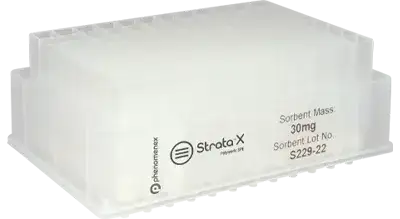
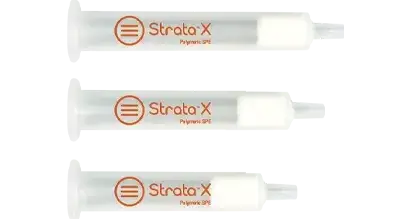
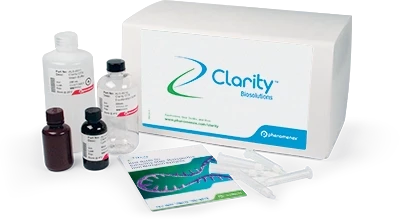
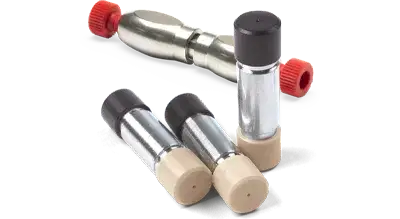
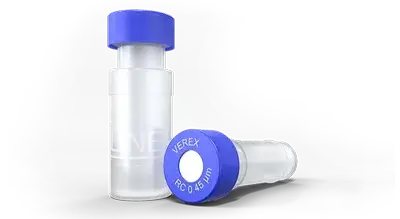
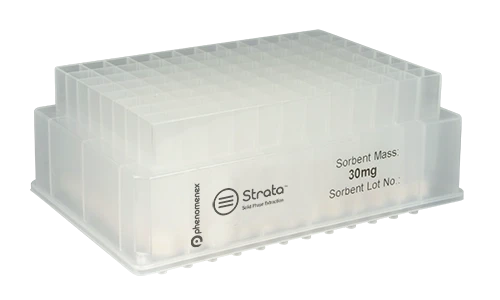
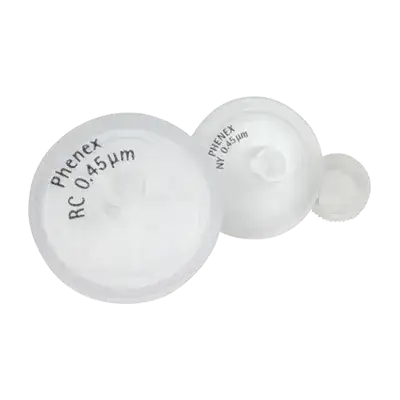
Common chromatography sample preparation formats include cartridges, plates, and tubes engineered for solid-phase extraction (SPE), supported liquid extraction (SLE), phospholipid removal, filtration, or other clean-up strategies. Each format is designed to balance ease of use, scalability, and analytical performance, allowing laboratories to adapt workflows based on throughput demands and sample complexity.
Advances in chromatography sample preparation technology have also enabled higher recoveries, reduced solvent usage, and improved reproducibility, particularly when integrated with automated liquid-handling systems. Selecting the appropriate technique and format ensures cleaner extracts, protects analytical columns and instruments, and contributes directly to method robustness.
Fundamentals of Sample Preparation
Sample preparation is a critical step in any chromatographic workflow, directly influencing data quality, reproducibility, and overall analytical efficiency. The most common goal of chromatography sample preparation is to isolate target analytes while minimizing matrix interferences that can compromise separation, detection, and quantitation.
Well-designed chromatography sample preparation formats help standardize workflows by reducing manual handling and variability between analysts. Consistent sample cleanup improves peak shape, enhances sensitivity, and extends column lifetime, particularly important in high-throughput or regulated laboratory environments.
Innovative chromatography sample preparation technology also supports method scalability, allowing the same fundamental approach to be applied across different sample volumes, matrices, and analytical platforms. Phenomenex offers a broad portfolio of sample preparation solutions developed to support reproducible, efficient chromatography without adding unnecessary complexity to laboratory workflows.
Industry Applications for Sample Preparation Techniques
Chromatography sample preparation techniques are widely used across multiple industries where analytical accuracy and regulatory compliance are essential.
- Pharmaceutical R&D and quality control: Robust sample preparation ensures consistent impurity profiling, stability testing, and bioanalytical measurements.
- Clinical and bioanalytical laboratories: Rely on reproducible cleanup formats to support sensitive quantitation in complex biological matrices.
- Environmental testing laboratories: Use chromatography sample preparation formats to isolate trace-level contaminants from challenging matrices such as soil, water, and wastewater.
- Food safety applications: Efficient cleanup helps remove fats, proteins, and pigments that interfere with residue analysis.
- Forensic and toxicology laboratories: Depend on selective, reproducible preparation techniques to support confident identification and quantitation of drugs and metabolites.
FAQs
What is the range of sample volumes these formats support?
Chromatography sample preparation formats are available for a wide range of sample volumes, from microliter-scale biological samples to larger, multi-liter environmental and food samples. The appropriate format depends on analyte concentration, matrix complexity, and throughput requirements.
Which industries commonly use these products?
These products are commonly used in pharmaceutical, biotech, clinical, environmental, food safety, forensic, and academic laboratories where chromatography is a core analytical technique.
Are these formats compatible with automation?
Yes. Many modern chromatography sample preparation technologies are designed to integrate seamlessly with automated liquid-handling systems, supporting higher throughput, improved reproducibility, and reduced manual intervention.