Choosing the Right Syringe Filter for Optimal Sample Preparation
Selecting the right syringe filter is crucial for sample preparation in analytical chemistry. With various membranes, pore sizes, and diameters available, it's important to understand their applications and factors to consider when selecting the correct filter.
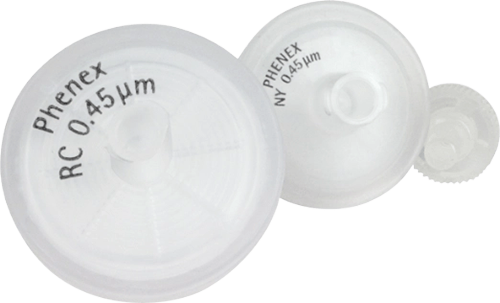
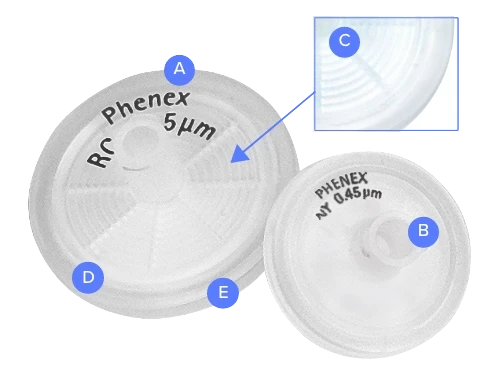
Different syringe filters cater to specific sample types and applications. Hydrophilic syringe filters are ideal for aqueous solutions, while hydrophobic filters are suitable for non-polar solvents. Nylon filters are known for their wide chemical compatibility. Polytetrafluoroethylene (PTFE) filters offer excellent chemical resistance and are often used for aggressive solvents. Other filters available from Phenomenex are Regenerated Cellulose (RC), Polyethersulfone (PES), Cellulose Acetate (CA), Glass Fiber (GF) and Polyvinylidene Fluoride (PVDF).
Several factors should be considered when selecting a syringe filter. Pore size is critical, as it determines the size of particles that can be retained. Sample volume, compatibility with solvents, and desired flow rate are also important. Additionally, the membrane material should be compatible with the sample and solvent to ensure accurate analysis. To achieve optimal performance, follow these tips: choose a syringe filter with a pore size smaller than the particle size of interest to prevent clogging and ensure efficient filtration. Pre-wet the filter with a small amount of the sample or solvent to remove air bubbles and enhance filtration efficiency.
At Phenomenex, we offer a wide range of high-quality syringe filters designed to meet various applications' needs. Our syringe filters are manufactured using advanced materials and technologies, ensuring superior performance, reliability, and compatibility. Browse our selection to find the perfect solution for your sample preparation needs.
Proper Use and Maintenance of Syringe Filters
To maximize the effectiveness and lifespan of syringe filters, follow proper usage and maintenance guidelines. Here is a step-by-step guide on how to use syringe filters:
Selecting the Correct Membrane Material
- Select a syringe filter with the appropriate membrane material and pore size for your application.
- Attach the syringe filter to a compatible syringe, ensuring a secure connection to prevent leakage during filtration.
- Prepare the sample, ensuring it is properly mixed and free from large particles that could clog the filter.
- Using gentle pressure, slowly push the sample through the syringe filter. Avoid excessive force, as it may damage the filter or compromise the filtration process.
- Once filtration is complete, carefully detach the syringe filter from the syringe, avoiding contamination of the filtered sample.
- Properly dispose of the used syringe filter according to your laboratory's waste management protocols.
Tips for Extending Syringe Filter Lifespan
To extend the lifespan of your syringe filters, follow these best practices:
- Store syringe filters in a clean, dry environment, away from direct sunlight and extreme temperatures. Sterile syringe filters are available as well.
- Regularly inspect syringe filters for damage or wear, such as cracks or tears, and discard any compromised filters.
- Check the integrity of the syringe filter before each use to ensure there are no leaks or blockages.
- Consider using a pre-filter or a syringe filter with a larger pore size to remove larger particles and protect the main filter, if necessary