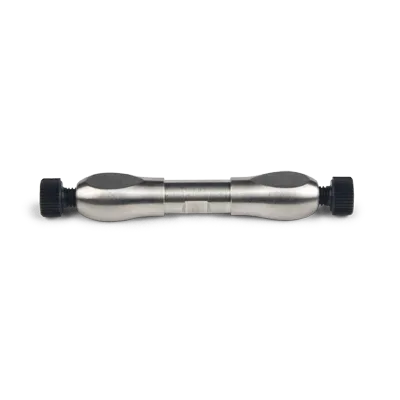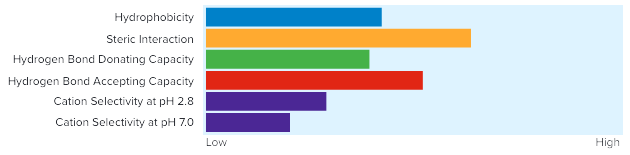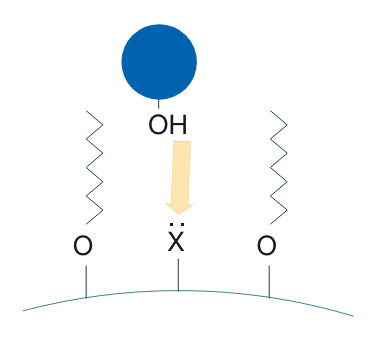

Di-isobutyl side chains differentiate this C18 column. Low ligand density and an inactive surface make this column a great hydrogen bond acceptor. This phase will demonstrate improved peak shape and increased retention of acidic compounds.
Compatible with all Analytical HPLC/UHPLC Systems*
Unique C18 Retention (USP: L1)
Improved Selectivity of Acidic compounds
*Kinetex analytical columns are compatible with all LC system with standard LC column end-fittings threaded in 10-32. Please contact us at Phenomenex.com/chat for any questions and information about fitting compatibility and any other column internal diameters.
Particle Size
1.7, 2.6, 3.5, 5
Recommended Use
Superior peak shape and enhanced separation of basic compounds under neutral and acidic conditions
Quantity adjusted to the maximum allowed quantity (1,000).
Sign In to view country specific pricing.
Overview
Selectivity for Acidic Compounds
This unique C18 phase yields increased hydrogen bonding with hydrophobic selectivity‚ resulting in improved peak shape for basic compounds and increased retention of acidic compounds.
Complementary Core-Shell C18 Phases
Ultra-high performance columns like Kinetex will give you very narrow peaks, but without the right selectivities you are left with very narrow, overlapping peaks. The phases offered in the Kinetex column line are complementary to one another, so the spectrum of selectivity your separations require is covered.
Find the right phase selectivity for your application by investigating the diverse selectivity availability of the Kinetex Core Shell HPLC and UHPLC columns. Where reliable performance meets unique selectivity.
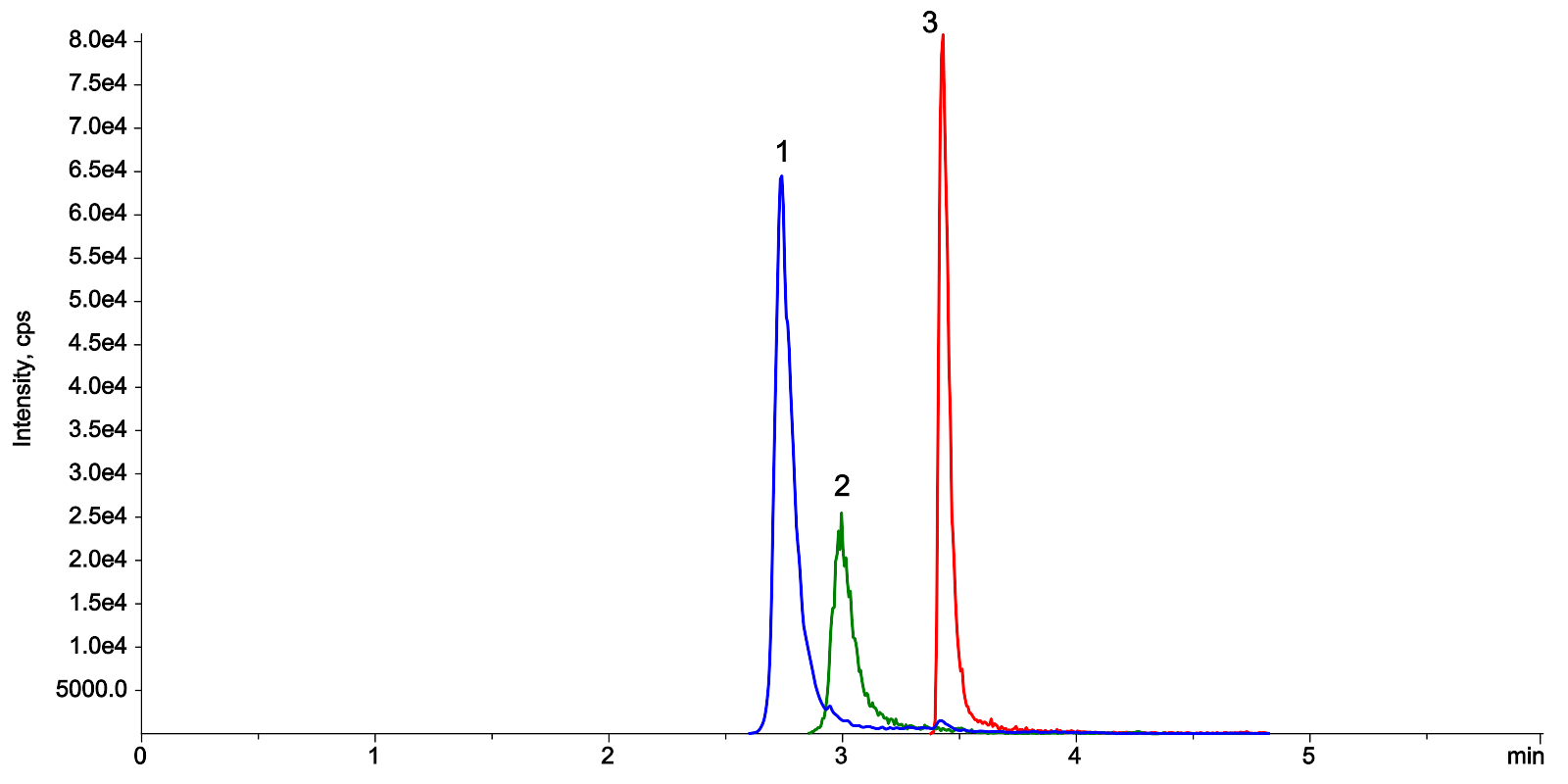
Conditions for all columns:
Dimension:
50 x 2.1 mm
Flow Rate:
0.8 mL/min
Temperature:
30 °C
Detection:
UV @ 245 nm (ambient)
Mobile Phase:
A: Water with 0.1% Formic Acid, B: Acetonitrile with 0.1% Formic Acid
When conducting cannabis analysis, how can you prevent the acetonitrile used in potency analysis from contaminating laboratory air and interfering with residual solvent analysis?Asked May 27, 2022
There are many potential sources and solutions: Put caps with filters or sorbent traps on your HPLC mobile phase bottles and solvent waste receptacles; don’t leave residual acetonitrile in pipette barrels; do all your potency extractions and standard preparations in a fume hood; and if you are using a triple quad MS for pesticide analysis, don’t discharge the vacuum exhaust from the ionization source into the lab.