
Real Life Application: Newborn Screening

Separation sciences can be tough to grasp. The real-life impact isn't always immediately obvious, and we're often left wondering how it all affects our day-to-day. Real-Life Applications are here to show you some of the most prevalent ways chromatography and more makes life worth living.
The scene of a birth is often a frenzied one: relieved mothers, doting fathers, weeping grandparents, and patient medical staff—not to mention screaming babies. Helpful nurses teach new parents how to swaddle. Friends come bearing balloons and cigars.

the most important ritual, however, is screening your newborn for health risks. Kidshealth.org refers to newborn screening as “the practice of testing every newborn for certain harmful or potentially fatal disorders that aren’t otherwise apparent at birth.” Many of those disorders are metabolic, which “interfere with the body’s use of nutrients to maintain healthy tissues and produce energy.” One of these metabolic disorders is phenylketonuria.
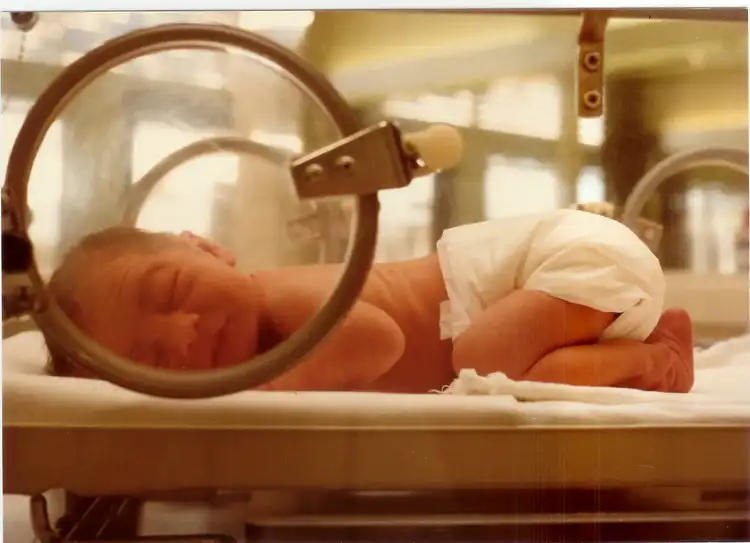
According to the U.S. National Library of Medicine’s Genetics Home Reference page, phenylketonuria is “an inherited disorder that increases the levels of a substance called phenylalanine in the blood.” Phenylalanine is a “building block of proteins” obtained through diet. Untreated phenylketonuria can lead to harmful phenylalanine buildup, causing intellectual disability and other serious health problems. So, then what? Gas chromatography is used to screen newborn infants for phenylketonuria. If the condition is discovered early, it can be treated with a modified diet and medication.

The life of a new parent is stressful enough. Separation sciences—however quietly—can help ease their minds.
Related Resources
- EZfaast™ Amino Acid Analysis Kits
- Analysis of Parabens from Baby Wash on Kinetex 5u EVO C18 100x3.0
- Blank Baby Wash Using Novum SLE 12cc Tube & Kinetex 5u EVO C18, 100x3.0
- Extraction of Parabens from Baby Wash Using Novum SLE 12cc Tube & Kinetex 5u EVO C18, 100x3.0
- High Concentration Spike of Baby Formula Using Melamine Screen on ZB-5ms with MSD (SIM)
- Low Concentration Spike of Baby Formula Using Melamine Screen on ZB-5ms with MSD (SIM)