HPLC Volumes Explained: Understanding Dead Volume, System Dwell Volume, and Column Void Volume
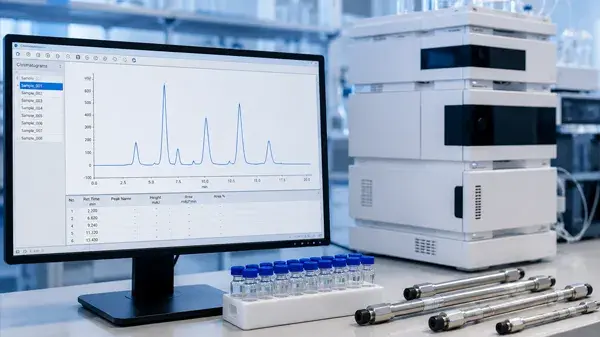
Dead volume, system dwell volume, and column void volume may sound like a set of overlapping terms, but each describes a different part of what happens inside a high-performance liquid chromatography (HPLC) system. They all shape retention behavior, gradient timing, and peak quality, so confusing them can make troubleshooting harder and method transfer less reliable.
Clear definitions make troubleshooting faster and method transfer more predictable, especially when peak shape or gradient behavior changes across instruments.
What Is Dead Volume?
In HPLC, dead volume usually refers to extra-column volume outside the analytical column, including the spaces in tubing, fittings, injector components, and detector flow cells that a sample passes through before and after separation on the column. When that volume becomes too large relative to the column, bands spread before they reach the detector, which can cause peak broadening, tailing, and shifts in apparent retention behavior.
Keeping connections short and fittings clean helps limit extra-column dispersion, which matters most when narrow peaks leave little room for error.
What Is System Dwell Volume?
Dwell volume in HPLC describes the volume between the point where solvents mix and the head of the column. In gradient methods, this volume creates a delay before the new solvent composition actually reaches the column, so it directly affects gradient timing and can change apparent selectivity during method transfer.
In practical terms, system dwell volume includes the gradient mixer, pump-related volume, connecting tubing, and injector-related space upstream of the column, which is why dwell volume measurement matters when analysts compare instruments or move a method between labs.
What Is Column Void Volume?
Void volume refers to the mobile-phase volume inside the column that carries an unretained compound through the bed. In chromatography literature, this term may overlap with hold-up volume or dead volume depending on context, so the exact meaning should be fixed before any calculation or comparison.
Analysts often define void volume through the elution of an unretained marker, and they can calculate void volume from the dead time and flow rate when the marker behaves appropriately for the method conditions. This concept also explains the internal reference point behind a void-volume peak, which is the response from a compound that travels through the column with minimal retention.
Key Differences
The biggest source of confusion is that dead volume, system dwell volume, and column void volume all involve liquid volume, but they describe different physical locations and different method effects. Framing them side by side helps distinguish where the volume sits, what it includes, and what kind of chromatographic problem it is most likely to create.
This distinction is central to understanding dead volume and void volume. Put simply, the answer to “What is void volume and dead volume in HPLC?” is that void volume belongs to the column, whereas dead volume usually refers to unwanted extra volume outside the column that spreads peaks and weakens apparent performance.
Why These Volumes Matter in HPLC
These volumes matter because instrument geometry can change how the same method behaves from one system to another. The instrument and column geometry also influence when gradients arrive, how sharply bands travel, and how accurately analysts interpret retention and efficiency.
Extra-column volume can make a system look less efficient than the column really is, while dwell-volume differences can shift gradient arrival enough to change method behavior during transfer. That is why the same method may need different setup checks during development, troubleshooting, and cross-site comparison.
These volumes also guide everyday setup choices. Shorter tubing, better-fitting hardware, and cleaner fluid paths reduce avoidable dispersion and make long-term performance easier to protect. That same attention to fluidics also supports efforts to extend the lifetime of HPLC columns, because fewer avoidable system effects mean less time spent correcting symptoms instead of causes.
FAQs
How do dead and void volumes influence peak shape and analysis speed?
Dead volume can widen peaks before they reach the detector, while column void volume gives the baseline point for unretained elution. Together, they affect how cleanly a method resolves components and how confidently retention behavior can be read.
Why do high dead volumes lead to peak broadening?
Large dead volume gives analytes more space to disperse outside the column. That added dispersion broadens the band before it reaches the detector, so peaks appear wider and sometimes less symmetrical.
What methods can I use to reduce dwell volume in my HPLC system?
You can reduce dwell-related effects by selecting systems with smaller upstream mixing volumes and by matching instrument configuration during method transfer. Practical reduction of pre-column dispersion also comes from controlling transport conditions and minimizing unnecessary upstream volume.
In what ways does dead volume impact instrument performance over time?
Dead volume can hide true column behavior by adding dispersion that lowers apparent efficiency and shifts retention behavior. Over time, that can make troubleshooting slower because the system, not the chemistry, may be driving the chromatographic problem.
How to remove dead volume?
It is rarely about removing all volume. The real goal is to cut unnecessary extra-column space through shorter tubing, tighter fittings, and lower-dispersion flow paths that better match the column dimensions and application.
What is the void volume peak?
The void-volume peak marks the elution of a compound that does not meaningfully interact with the stationary phase. It is often used as a reference point for dead time and retention calculations.