Gel Filtration Chromatography (GFC)
Gel filtration chromatography (GFC), also known as size exclusion chromatography, separates large macromolecules such as antibodies, immunoglobulins, protein complexes, protein aggregates, peptides, and other biomolecules. In gel filtration chromatography, the compounds of interest “filter” through the stationary phase based on their size.
Typically, aqueous solvents are used in the mobile phase to ensure that the compound of interest maintains biological activity. Gel filtration columns can separate biomolecules that range from 200 to 1,500,000 Daltons in size. Gel filtration chromatography requires a GFC column that has low surface activity, high efficiency, and consistent, uniform pore size.
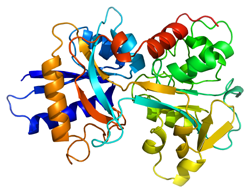
Gel Filtration Chromatography Columns
Enhance your analytical capabilities with Phenomenex’s advanced HPLC GFC columns, specifically designed for gel filtration chromatography. These columns deliver precise molecular size analysis and consistently accurate results. Built for high performance, Phenomenex’s specialized GFC technology offers exceptional reliability and efficiency to meet the demands of your chromatographic separations.
Order GFC Columns from Phenomenex
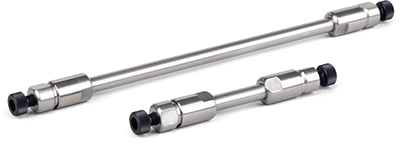
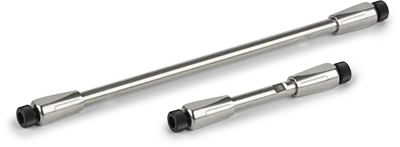
Biozen
dSEC-2 and SEC-3 phases provide high efficiency separation for biomolecules
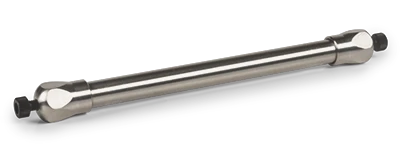
Yarra
High speed gel filtration columns (GFC) for biomolecules
How Gel Filtration Chromatography Works
Gel filtration chromatography separates molecules based on size by using a porous gel matrix that allows smaller molecules to enter and be delayed, while larger molecules are excluded and elute faster.
-
Key Components and Mechanism
- Porous Matrix: The stationary phase consists of spherical particles with defined pore sizes. These pores allow smaller molecules to enter while excluding larger ones.
- Mobile Phase: The buffer solution flows through the gel filtration chromatography column, carrying the sample molecules.
-
Separation Process
- Large Molecules: Those too large to enter the pores of the stationary phase remain in the mobile phase and pass through the column quickly, eluting first in the void volume.
- Small Molecules: These penetrate the pores, moving through the stationary phase and taking a longer path. As a result, they elute later than larger molecules.
- Intermediate Molecules: Partially penetrate the pores, eluting between the large and small molecules based on their size.
-
Factors Influencing Separation
- Pore Size: Determines the fractionation range of the column.
- Molecular Shape: Hydrodynamic radius affects elution order; asymmetrical molecules may behave differently.
- Buffer Conditions: pH, ionic strength, and composition can influence resolution and elution times.
- Bead Size: Smaller particles improve resolution by reducing diffusion distances
HPLC Gel Filtration Chromatography Applications
-
Protein Purification and Analysis
- Separation of Proteins and Peptides: Gel filtration chromatography is widely used to isolate proteins from complex mixtures like cell extracts and to separate monomers from aggregates. By passing the sample through a gel filtration chromatography column, proteins are separated based on their size, ensuring high purity.
- Molecular Weight Determination: The gel filtration chromatography column helps estimate the molecular weight of proteins by analyzing their elution volume, making it a valuable tool for protein characterization.
-
Buffer Exchange and Desalting
- Buffer Exchange: It allows for efficient buffer exchange, enabling changes in buffer composition without altering the integrity of the sample.
- Desalting: It is commonly used to remove salts and small molecules from protein samples, a critical step before applications such as crystallization or enzymatic assays.
-
Analysis of Other Biomolecules
- Separation of Nucleic Acids: It is effective for separating DNA and RNA fragments by size, making it useful for nucleic acid analysis.
- Polysaccharide Analysis: The gel filtration chromatography column can also be used to separate and analyze polysaccharides based on their molecular size.
- Quality Control and Characterization
- Assessment of Sample Purity: It helps evaluate sample purity by separating contaminants based on size, ensuring accurate analysis.
-
Biotechnology and Pharmaceutical Applications
- Antibody and Immunoglobulin Separation: Gel filtration chromatography is commonly used in biotechnology and pharmaceutical industries to separate and analyze antibodies and immunoglobulins.
- Protein Complexes and Aggregates: Researchers can study protein-protein interactions and identify protein aggregates, which is crucial for understanding protein stability and function.