
Peptide Mapping Methods for Protein Characterization Explained
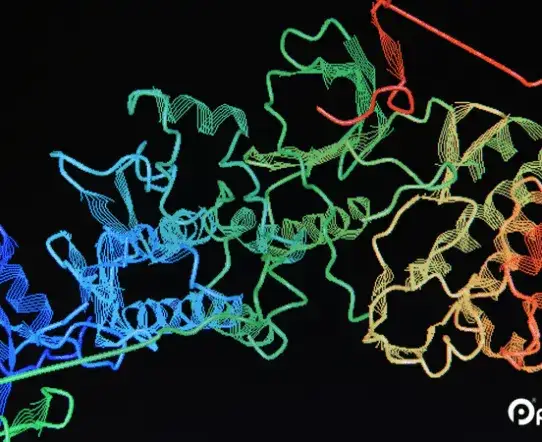
Peptide mapping is a fundamental technique used to assess protein primary structure and verify sequence integrity against a known reference. This method is vital in evaluating post-translational modifications (PTMs) and guaranteeing the identity of biopharmaceutical products.
The procedure breaks down intact proteins into smaller fragments through enzymatic digestion. Liquid chromatography paired with mass spectrometry (LC-MS) then separates and identifies these fragments. The resulting data give chromatography scientists a detailed view of the primary structure. You can track chemical modifications and detect degradation products reliably.
Peptide mapping methods are used to study monoclonal antibodies and other biologic drugs. The combination of protein digestion and mass spectrometric analysis provides high-resolution data. The expected protein sequence can be verified against reference data, and structural changes can be detected with high confidence. . This comprehensive approach supports therapeutic development and routine quality control.
What is Peptide Mapping?
The technique acts as a fingerprinting tool for complex protein molecules. The analytical method involves cutting a large protein into a specific set of peptides. The resulting peptide map is compared with a theoretical model to confirm the protein identity.
What Does Peptide Mapping Reveal?
A standard peptide map exposes the primary structure of the target molecule. Researchers identify the exact amino acid sequence and pinpoint PTMs such as glycosylation and oxidation. The analytical data also highlight deamidation events and disulfide bond linkages. Sequence coverage is evaluated to verify that the mass spectrometer detected all expected fragments. High sequence coverage means the analytical method successfully captured the entire protein sample profile.
Why It is Called Bottom-Up Analysis
Scientists classify this workflow as a bottom-up characterization method. Top-down analysis examines the intact protein without any prior cleavage steps. The bottom-up approach instead digests the protein into manageable pieces prior to LC-MS analysis. The smaller fragments are studied to reconstruct the original protein sequence accurately. This strategy simplifies the mass spectrometry process and yields high-resolution structural details.
Enzymes Used in Peptide Mapping
As a bottom-up analysis, enzymatic digestion forms the core of the peptide mapping workflow. The choice of enzyme determines the size and charge of the resulting fragments. You must select a protease that cuts the amino acid backbone at specific cleavage sites.
Trypsin Digestion
Trypsin serves as the most popular endopeptidase for protein digestion. This enzyme cleaves the protein specifically after lysine and arginine residues. Trypsin generates peptides that ionize efficiently and often exhibit multiple positive charge states under ESI conditions. These basic amino acids easily accept a proton during mass spectrometry ionization. The predictable cleavage pattern produces ideal fragments for liquid chromatography separation and MS/MS detection. Trypsin only skips cleavage when a proline residue immediately follows the basic amino acid.
Glu-C and Other Proteases
Analysts sometimes require different cleavage sites to get complete sequence coverage. Glu C predominantly cleaves at the C terminal side of glutamic acid residues, with its specificity influenced by buffer composition and pH. You apply this enzyme when you need an orthogonal digest to supplement trypsin data. The acidic residues targeted by Glu-C provide a different set of overlapping peptides. Other options, like chymotrypsin and Lys-C, offer alternative fragmentation patterns to solve specific analytical problems.
Choosing the Right Enzyme
The goal of your biopharmaceutical analysis dictates the specific enzyme selection. Trypsin works best for general characterization and routine quality checks. You might add a second enzyme to map difficult regions of monoclonal antibodies. The correct choice provides overlapping fragments that confirm specific chemical modifications accurately.
Peptide Mapping Workflow: Step-by-Step
The process requires careful sample preparation to yield a reproducible peptide map. You must follow several distinct stages to prepare the protein for analysis. Each step modifies the protein structure to allow complete enzymatic access.
Protein Denaturation
Native proteins adopt complex secondary and tertiary structures that can restrict access to proteolytic cleavage sites. Denaturation is therefore a critical preparatory step in peptide mapping, as it unfolds the protein and exposes residues required for efficient and consistent enzymatic digestion.
Chaotropic agents, chemical additives that disrupt non‑covalent interactions stabilizing protein structure, are commonly used to disrupt hydrogen bonding and hydrophobic interactions. Urea is widely applied due to its compatibility with proteases, although solutions must be kept at controlled temperatures to minimize carbamylation. Guanidine hydrochloride provides stronger denaturing power but is not compatible with enzymatic digestion at high concentrations, requiring buffer exchange prior to protease addition.
Effective denaturation improves digestion efficiency, reduces missed cleavages, and supports higher sequence coverage. Insufficient unfolding can leave tightly structured regions inaccessible, leading to incomplete peptide maps and reduced reproducibility. For this reason, denaturation conditions are typically optimized during method development to balance unfolding strength with enzyme compatibility.
Reduction and Alkylation
Disulfide bonds hold different parts of the protein chain together tightly. The reduction step uses reagents like dithiothreitol to break these covalent linkages. Alkylation immediately follows to cap the free thiols permanently. This capping prevents the disulfide bonds from reforming during the subsequent digestion process. You create a completely linear protein sequence ready for the protease.
Enzymatic Digestion
You introduce the selected enzyme to the linearized protein sample. The digestion mixture usually incubates at a specific temperature to maximize enzymatic activity. The reaction time ranges from one hour to an overnight incubation. You stop the reaction by lowering the pH once the enzyme generates the desired fragments.
Sample Cleanup and Preparation
The digestion buffer and added reagents can interfere with the final analysis. You must clean the sample to remove salts and incompatible chemicals. Desalting techniques are used to purify the peptides prior to loading them onto the HPLC system. Proper sample preparation guarantees clean chromatograms and accurate mass spectrometric readings.
Sample Cleanup and Preparation Techniques
Sample cleanup is a critical step in peptide mapping, as residual salts, buffers, and reagents can interfere with chromatographic separation and mass spectrometric detection. Selecting an appropriate cleanup strategy helps improve signal quality while preserving peptide recovery and sequence coverage.
ZipTips, SPE, and Spin Columns
Many laboratories use small-scale devices for rapid peptide cleanup. Options like ZipTips and SPE cartridges bind the peptides while the salts wash away. Spin columns offer a similar mechanism driven by a laboratory centrifuge. These tools work well but often result in minor sample loss during the elution step.
On-Column Desalting
You can bypass offline cleanup by performing desalting directly on the HPLC column. The initial flow of the liquid chromatography gradient washes the volatile salts to the waste line. The peptides remain trapped on the stationary phase until the organic solvent concentration increases. This strategy minimizes sample handling and reduces overall preparation time but requires direct compatibility of the sample with the LC-MS conditions.
Cleanup vs Sample Loss
Every purification step carries a risk of losing valuable peptides. You must weigh the need for a clean sample against the requirement for high sequence coverage. Volatile buffers like ammonium bicarbonate evaporate easily during a dry-down process. This evaporation removes the buffer without requiring an extraction step that might lose hydrophilic fragments.
Importance of MS-Grade Reagents and Clean Lab Practices
High-resolution mass spectrometry demands a controlled working environment. The sensitivity of the detector leaves zero room for poor laboratory habits.
Why High-Purity Reagents Matter
MS-grade chemicals contain extremely low levels of metal ions and particulate matter. You must use these highly purified reagents to formulate buffers and mobile phases. Standard grade chemicals introduce background noise that masks low-abundance peptides.
Sources of Contamination
Contaminants routinely enter the workflow through dirty glassware or uncalibrated pipettes. Even low-quality autosampler vials can leach plasticizers or sodium into the analytical sample. These foreign molecules form sodium or potassium adducts on the target peptides.
Best Practices for Minimizing Contamination in LC–MS Analysis
Analysts establish strict protocols for washing and storing laboratory equipment. Always use fresh MS-grade water and solvents when preparing the liquid chromatography mobile phases. Routine maintenance of the LC-MS system prevents carryover from previous injections.
Common Challenges in Peptide Mapping
Peptide mapping workflows can generate complex datasets, and several recurring challenges may affect data quality and interpretation. Recognizing these issues early helps analysts apply targeted corrections and maintain reliable LC‑MS performance.
Incomplete Digestion
Incomplete digestion commonly results from limited enzyme accessibility or resistant protein regions. This leads to missed cleavages, larger peptide fragments, and reduced sequence coverage. Optimizing denaturation conditions, digestion time, and enzyme‑to‑substrate ratio typically improves digestion efficiency.
Adduct Formation
Peptides readily form sodium and potassium adducts during electrospray ionization, increasing spectral complexity and complicating data analysis. Adduct formation is often linked to reagent purity and insufficient desalting. Consistent cleanup and high‑purity reagents help minimize this effect.
Data Interpretation Complexity
LC‑MS peptide mapping produces large datasets that require specialized software and well‑defined search parameters. Low‑abundance peptides and modified species can be difficult to identify without reproducible chromatography and high‑quality sample preparation.
Best Practices for Improving Peptide Mapping Methods
Robust peptide mapping methods rely on consistency, control, and incremental optimization. Standardizing critical parameters across the workflow improves reproducibility and supports confident comparison between samples.
Ensuring Reproducibility
Reproducibility is essential for quality control and comparability studies. Monitoring retention times, peak areas, and sequence coverage across replicate analyses helps distinguish true structural changes from analytical variability.
Method Optimization Strategies
Chromatographic gradients and MS/MS settings can be adjusted to improve peptide separation and fragmentation quality. Targeted optimization resolves co‑eluting peptides and enhances sequence confirmation without adding unnecessary complexity.
Managing Method Variability
Instrument differences and laboratory practices inevitably introduce variability. Controlling key parameters through standardized procedures and routine performance checks ensures consistent peptide mapping results within and across laboratories.
FAQs on Peptide Mapping
What is peptide mapping used for?
Peptide mapping is used to confirm the primary structure of proteins. The method identifies post-translational modifications such as glycosylation and oxidation. This technique verifies the identity of biopharmaceutical products and detects structural changes. You compare the generated maps to reference standards for quality control.
How does peptide mapping work with LC-MS?
The liquid chromatography system separates the digested peptides based on their chemical properties. The mass spectrometer then measures the mass-to-charge ratio of each fragment. You fragment the peptides further using MS/MS to determine the exact amino acid sequence of every peak.
Why is trypsin commonly used in peptide mapping?
Trypsin cleaves proteins specifically after lysine and arginine residues. These basic amino acids readily accept protons during mass spectrometry ionization. The resulting peptides carry positive charges and fall into an ideal size range for accurate detection and sequence confirmation.