Gas Chromatography Column Types
Why GC Column Selection Matters
Phenomenex offers a wide range of GC columns tailored to diverse analytical needs. Our Zebron GC columns are available in multiple types—including low bleed, high-temperature, and specialized phases for specific analytes. Designed for high performance, they deliver accurate analysis, excellent retention, superior sensitivity, and long-lasting durability.
Gas chromatography (GC) is a versatile analytical technique used in various applications, such as environmental analysis, pharmaceuticals, petrochemicals, food and beverage testing, and forensic science. While compounds are separated based on their boiling points and intermolecular interactions, when selecting the correct GC column, important factors influencing GC performance include the selection of the appropriate column phase, carrier gas, temperature control, injection technique, choice of detector, and meticulous sample preparation.
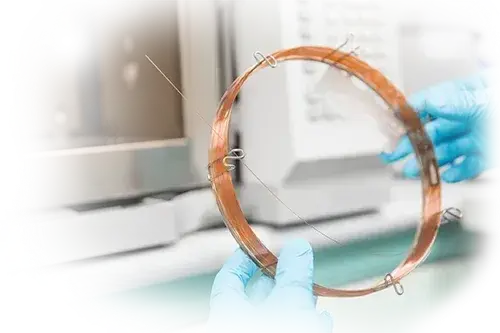
Types of GC Columns
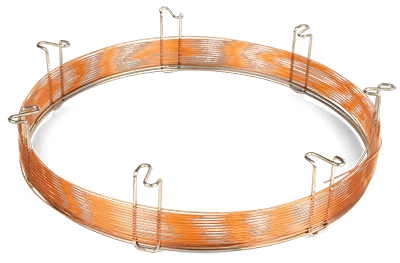
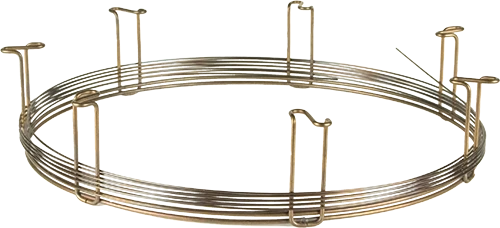
These types are easily identified by four main categories described below:

Frequently Asked Questions on GC Column Type
What factors are important when selecting a GC column type?
When selecting a GC column type, the most important factors include the selectivity and the polarity of the stationary phase, column length, internal diameter, and film thickness. These parameters determine separation efficiency, selectivity, resolution, and analysis time. The nature of the analytes whether they are polar, nonpolar, volatile, or thermally stable also plays a critical role in choosing the right GC column.
Can I analyze both gases and liquids with all GC column types?
Not all GC column types are suitable for analyzing both gases and liquids. While gaseous samples can generally be analyzed using PLOT or WCOT columns with thicker stationary phase films, liquid samples typically require thinner films and careful selection of the stationary phase chemistry, column dimensions, liner type, and injection technique to achieve accurate results. The choice of column ultimately depends on the sample’s composition, volatility, and chemical compatibility with the stationary phase.
Are there specific GC column types recommended for high-temperature application?
Yes, high-temperature applications require GC columns with specialized stationary phases and durable materials. Columns made of fused silica with polyimide coatings or metal capillary columns are often recommended. These columns can withstand elevated temperatures without phase degradation, making them ideal for analyzing heavy hydrocarbons, oils, or other thermally stable compounds.
Which GC column type provides higher resolution and why?
Narrow bore capillary columns generally provide higher resolution compared to widebore capillary columns. This is because their smaller internal diameter and thinner film thickness allow for more efficient interactions between the analytes and the stationary phase, resulting in sharper peaks and better separation. Longer columns can further enhance resolution, even if this has less impact on resolution while they may increase analysis time.