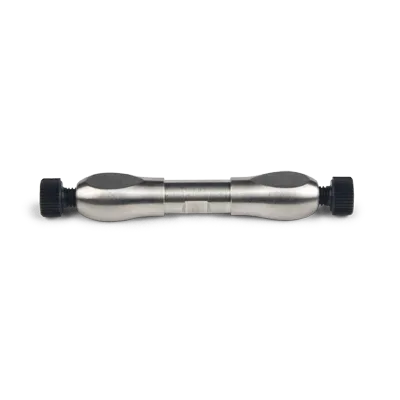

Kinetex EVO C18 Core-Shell HPLC Columns

High pH Stable Core-Shell

Kinetex EVO C18 uses a patented organo-silica  grafting process which incorporates uniform stabilizing ethane cross-linking to provide resistance to high pH attack while maintaining the mechanical strength of the core-shell particle. The Kinetex EVO C18 column provides both increased peak sensitivity and decreased overall analysis time.

  • Compatible with All Analytical HPLC/UHPLC Systems*
  • 100 % Aqueous Mobile Phases Stable
  • pH Stable 1-12
  • USP: L1

Kinetex EVO is patented by Phenomenex. U.S. Patent Nos. 7,563,367 and 8,658,038 and foreign counterparts.
*Kinetex analytical columns are compatible with all LC system with standard LC column end-fittings threaded in 10-32. Please contact us for any questions and information about fitting compatibility and any other column internal diameters.

Particle Size
1.7, 2.6, 5
Recommended Use
High pH stability from 1-12 to deliver robust methods and improved peak shape for bases

Order

Select Attributes:

Internal Diameter (mm)

0.3

0.5

1

2.1

3

4.6

10

21.2

30

50

Length (mm)

20

30

50

100

150

250

Particle Size (µm)

1.7

2.6

5

Pore Size (Å)

100

Showing 1-5 of 50 Results

$791.00 USD (Ea)

Sign In

$989.00 USD (Ea)

Sign In

$940.00 USD (Ea)

Sign In

$940.00 USD (Ea)

Sign In

$940.00 USD (Ea)

Sign In

Overview

Selectivity for Polar Basic Compounds

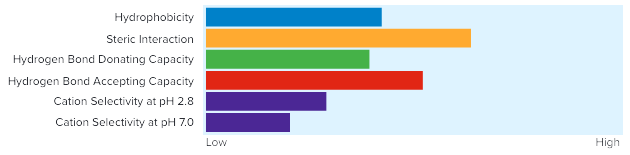
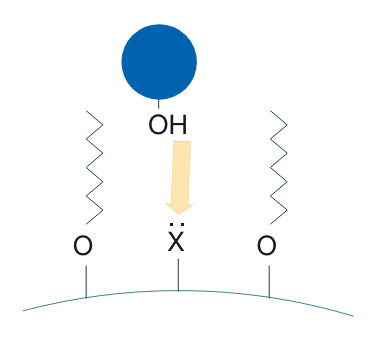
A novel Core-Shell that is pH stable 1-12 that delivers robust methods and improved peak shape for bases while still providing hydrophobic selectivity.

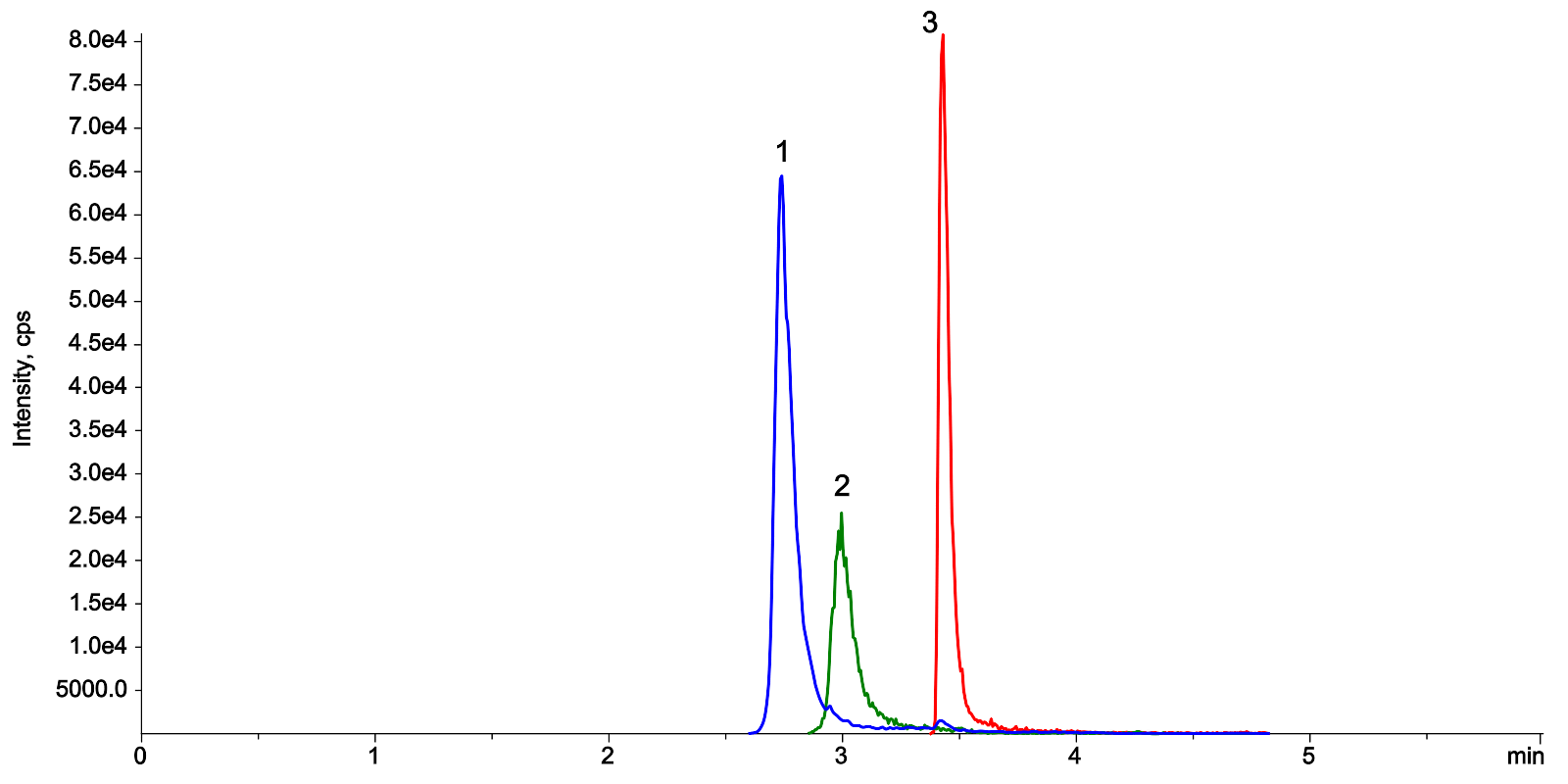
Kinetex EVO C18 column - Unique Polar Basic Selectivity

With excellent performance across a large pH range, Kinetex EVO C18 columns allow you to transform chromatograms and manipulate retention order, no matter the combination of compound functionalities. Now is your chance to break the mold and let your creative LC side flourish.

Conditions for all columns:

Columns:

Kinetex 5 µm EVO C18

Dimension:

150 x 4.6 mm

Flow Rate:

1.5 mL/min

Temperature:

30 ˚C

Detection:

UV @ 254 nm

Mobile Phase:

A: 20 mM Potassium phosphate, B: Acetonitrile

Part No.:

00F-4633-E0

Gradient:

20-75 % B in 10 minutes

Sample:

1. Ibuprofen
2. Diphenhydramine
3. Ethyl Benzene

Fully Porous vs. Core-Shell

Conditions for all columns:

Columns:

Kinetex 5 µm EVO C18, XBridge 5 µm C18, XBridge 3.5 µm C18

Dimension:

150 x 4.6 mm

Flow Rate:

1.5 mL/min

Temperature:

Ambient

Detection:

UV @ 254 nm

Mobile Phase:

A: 0.1 % Formic acid in Water, B: 0.1 % Formic acid in Acetonitrile

Gradient:

5 % to 95 % B over 10 minutes

Sample:

1. Uracil
2. Pindolol
3. Chlorpheniramine
4. Nortriptyline
5. 3-Methyl-4-Nitrobenzoic acid
6. 5-Methyl Salicyl Aldehyde
7. Hexaphenone

FAQs

The dissolution samples might be very acidic (~pH=1), and this may cause hydrolysis of endcapping and even stationary phase from the column. We would recommend Gemini-NX or Kinetex EVO which provide a robust particle able to provide good column lifetime under harsh pH conditions.
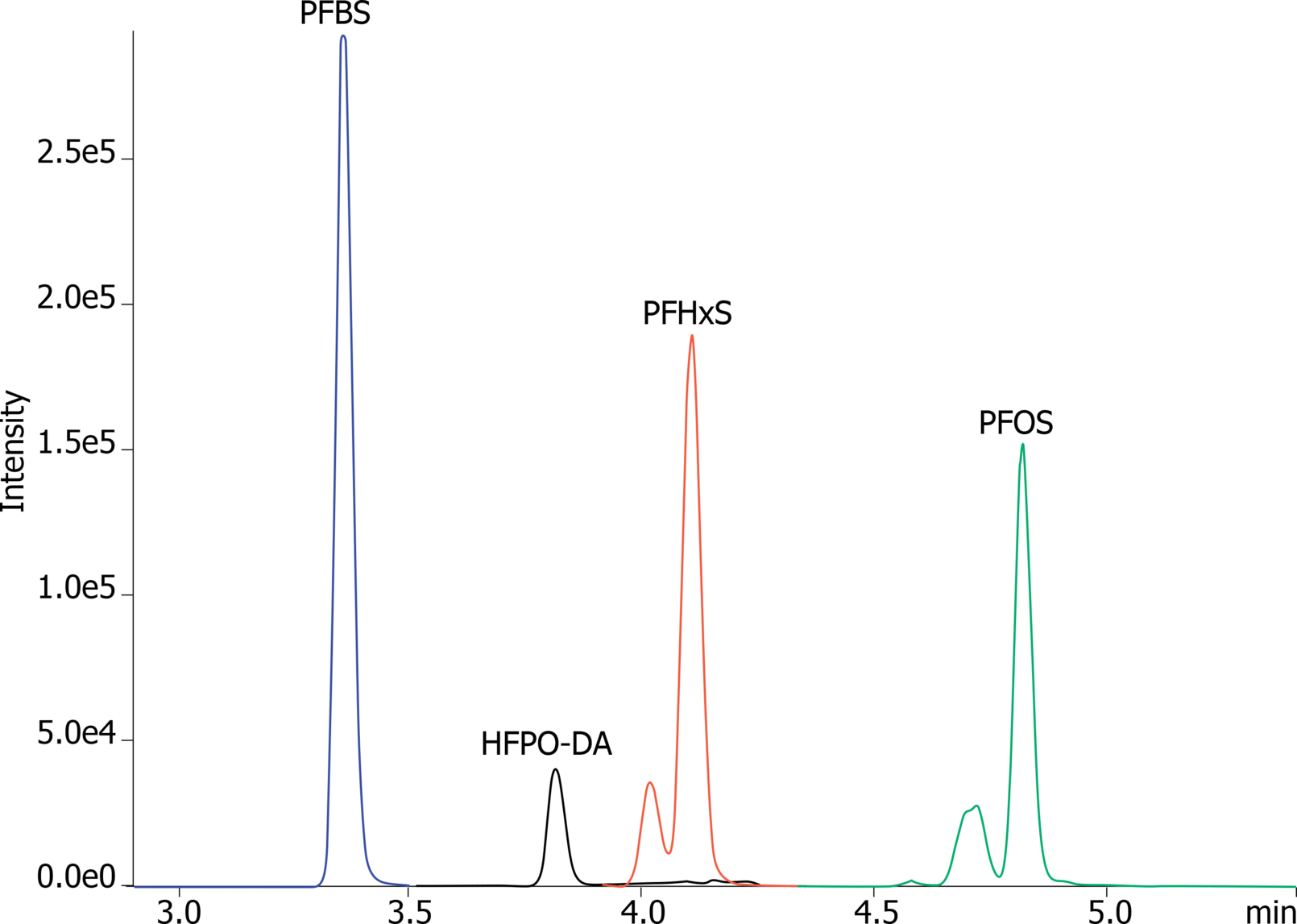
There are several C18 columns that we have shown work very well for PFAS analysis and provide adequate resolution for LC-MS/MS. The Luna™ Omega column is 100 % aqueous stable with a positive surface modification that demonstrates a unique selectivity and increased retention of acidic compounds such as PFAS. Of course, the ligand provides excellent retention for hydrophobic interactions as well. Similar to the structure of PFAS compounds. As an alternative, the Kinetex™ EVO is a core-shell developed for UHPLC separations. Coreshell particles show less band broadening, compared to fully porous particles, giving greater efficiency. We also carry the Gemini™ column portfolio developed for extended lifetime and extreme pH conditions. All have been shown to work well for PFAS separations which you can find on our website.
The two culprits are often the methanol and the lab consumables. Be sure to use high grade methanol from a reputable source, as well as high grade ammonium acetate. Some vendors have cleaner methanol than others, it is recommended that you test each lot before using. Also, the gases used for the LC-MS/MS can be another source of contamination. With respect to consumables, we wary of any consumables that are advertised as “low binding” or “low retention” as these often contain PFAS.
LCs use plastic tubing that is made of fluoropolymers which will slowly leach and cause high background levels. Ultimately this results in higher LOQs. To mitigate this PFAS leaching we replace the tubing with PEEK, wherever possible. Another source of PFAS contamination can be the solvent mobile phase filters. However, there can still be some fluoropolymer remaining in the LC which cannot be replaced. Therefore, a “delay” column is added between the pump mixer and the autosampler to chromatographically separate the LC PFAS contamination from the analytical peak. The good news is that this does NOT impact your ability to analyze other chemicals and is fully compatible with your other assays. The delay column can be quickly removed or left in place. In fact, it may even be beneficial for reducing background for other compounds such as plasticizers commonly found in the LC.
Graphitized Carbon Black (GCB) has been known to bind long chain PFAS and is used by some laboratories as a SPE sorbent. Some problems can occur where low recoveries are achieved due to irreversible binding of certain PFAS compounds, most likely the longer chain PFAS. Therefore, the method has comments to exercise caution when using GCB cleanup and to minimize the contact time between the PFAS and GCB.
This is quite a challenge as many of the products that we use, including our solvents, reagents, glassware, sample prep, and LC instrumentation can have PFAS background. Some general tips are to clean all equipment prior to, and after each use, make sure your reagent water, solvents such as methanol and ammonium hydroxide, are as PFAS free as possible. You may have to inquire from your vendor for details or if they can have some guarantee on background levels. There can also be PFAS in disposable plastics such as pipette tips and filters. Some methods recommend baking glassware, deterrent washing and rinsing with clean water, and proper storage for air drying. You can also implement a pre-rinse procedure using methanol with 0.1% ammonium hydroxide, toluene, and methanol. If you are using automated sample preparation, rinse the system with the same solvents. The LC pump should have a delay column between the pump and the autosampler as Teflon seals are common in LC systems. It’s advisable to review validated method guidance which often provide more detail on dealing with interferences within your lab, your system, and also within samples.